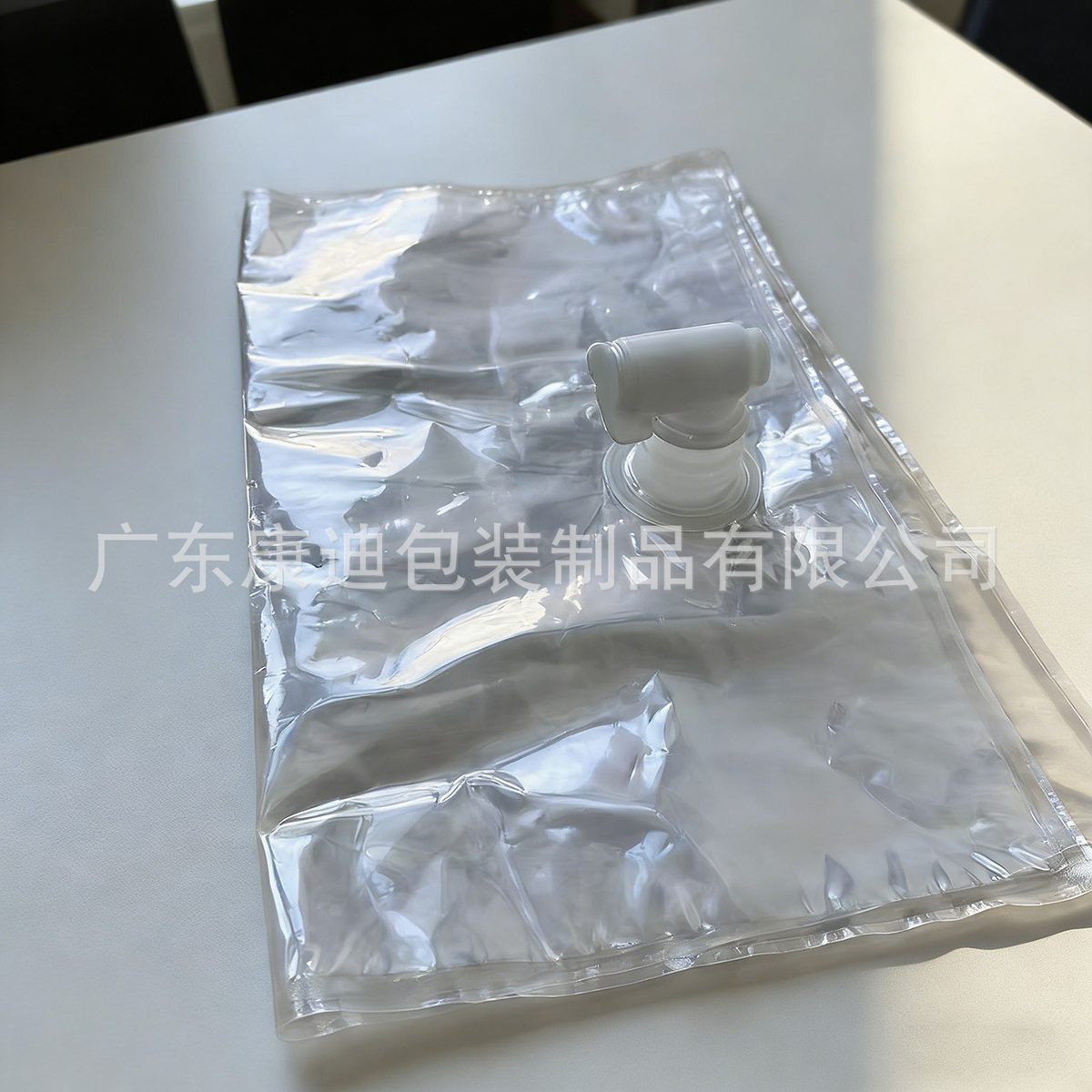
Built for Korean kimchi paste and fermented sauce production, this bag-in-box uses a food-contact grade laminated structure such as PET/VMPET/PE, with thickness and barrier grade selected for paste viscosity, salt content and filling method. The inner pouch sits inside a rigid outer box for stable storage and clean dispensing; the wide-mouth spout supports fast filling and reliable squeeze dosing. VMPET adds odour and moisture barrier, while the PE sealant layer is chosen for heat-sealing strength and paste compatibility. We can adjust film structure, spout diameter, valve type and box format around your 1–20 kg capacity range. Flexible packaging only: certifications and compliance documents depend on final materials and are confirmed during sampling and order review.
For brand presentation, the outer box and inner pouch can be printed with up to 10-colour rotogravure, with matt or gloss finishes, Korean-language handling marks and batch-friendly artwork. We recommend proofing artwork and confirming spout/valve position before mass production, because paste filling speed, cap torque and box assembly all affect dosing performance. Sampling is available for structure and fit checks; typical sampling lead time is around 7–12 days after artwork and specifications are confirmed, while production lead time depends on film, spout and box availability. Small-to-mid MOQ is workable for Korean food manufacturers and sauce brands, with MOQ confirmed by bag size, film structure and printing colours rather than a single fixed figure. Filling trials should verify paste temperature, viscosity and residual air before commercial runs.
Designed for fermented sauces, kimchi paste, gochujang, soy-based seasoning, hot-pot base and RTU broth, the bag-in-box format helps reduce headspace, limit odour transfer and keep paste protected between fills and use. A wide-mouth spout or dispensing valve can be specified for manual squeeze dosing, pump feeding or gravity dispensing; the exact spout and valve are selected against paste particle size, viscosity and cleaning routine. Food-contact grade film and controlled lamination are used, but final suitability should be confirmed with your own filling and storage trials. The outer box supports stacking and transport, while the inner pouch collapses as product is dispensed to reduce residual paste and support cleaner changeovers in Korean sauce production.